
The boundaries between the structured, predictable world of professional sports and the chaotic, unforgiving realities of nature are rarely as starkly or tragically exposed as they have been in recent days. For Lucas Trejo, a veteran Argentine defender whose life has been defined by the resilience required to sustain a long career across South American football, the ultimate test of endurance has come not on the pitch, but amid the suffocating dust and shattered concrete of a catastrophic natural disaster.
On June 24, a sequence of powerful earthquakes struck Venezuela, fracturing infrastructure, collapsing communities, and instantly plunging thousands of families into unimaginable grief. For the 38-year-old Trejo, the disaster struck at the absolute core of his existence. After days of agonizing uncertainty and a relentless, exhausting search operation, rescue authorities officially confirmed the worst possible outcome: the bodies of his wife, Yanina Maranella, and their two young children, Aarón and Ainhoa, were recovered from beneath the ruins of their apartment building in Playa Grande, located in the hard-hit coastal state of La Guaira.
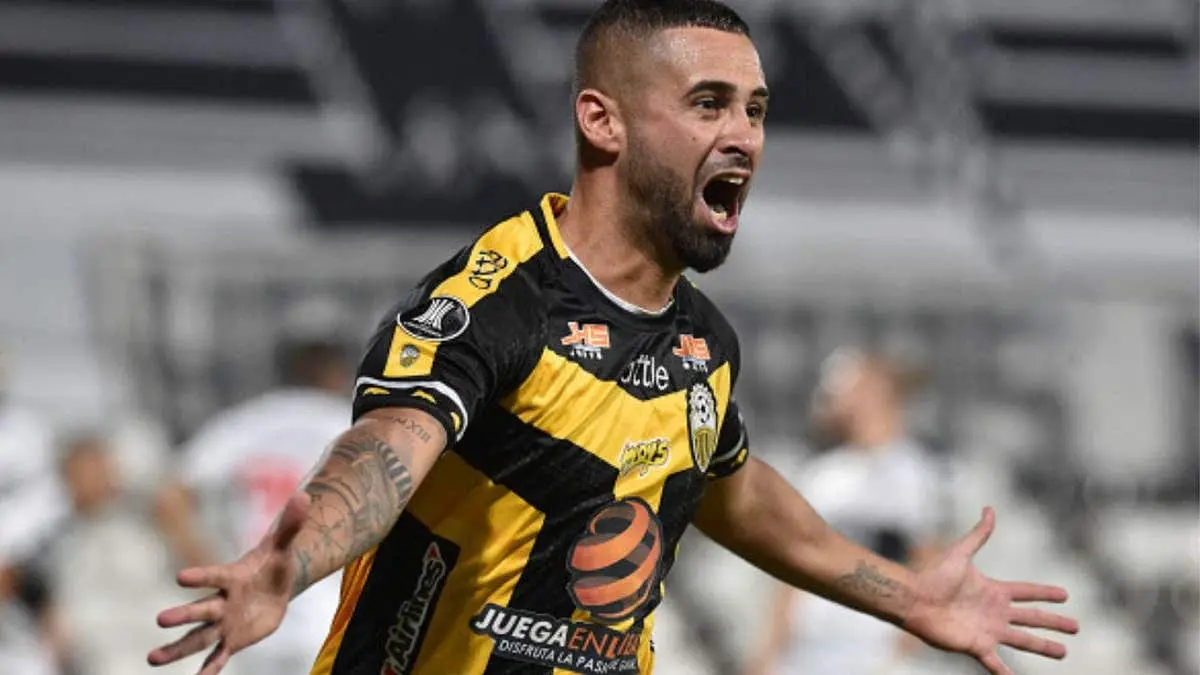
This profoundly intimate loss unfolds against the backdrop of one of the most severe humanitarian crises Venezuela has faced in recent history. The double earthquakes severely compromised structural integrity across major urban centers, including the capital city of Caracas, La Guaira, and surrounding municipalities. Massive power outages, ruptured communication lines, and compromised transit routes heavily impeded initial emergency responses, turning the immediate aftermath into a race against time against a ticking clock of survival. Current official assessments indicate a devastating toll, with the number of confirmed fatalities surpassing 1,400, thousands more injured, and entire neighborhoods reduced to debris.
The tragedy has spared no segment of society, cutting through socioeconomic lines and deeply impacting the athletic community, leaving local sports infrastructure shattered and numerous families mourning lost loved ones.
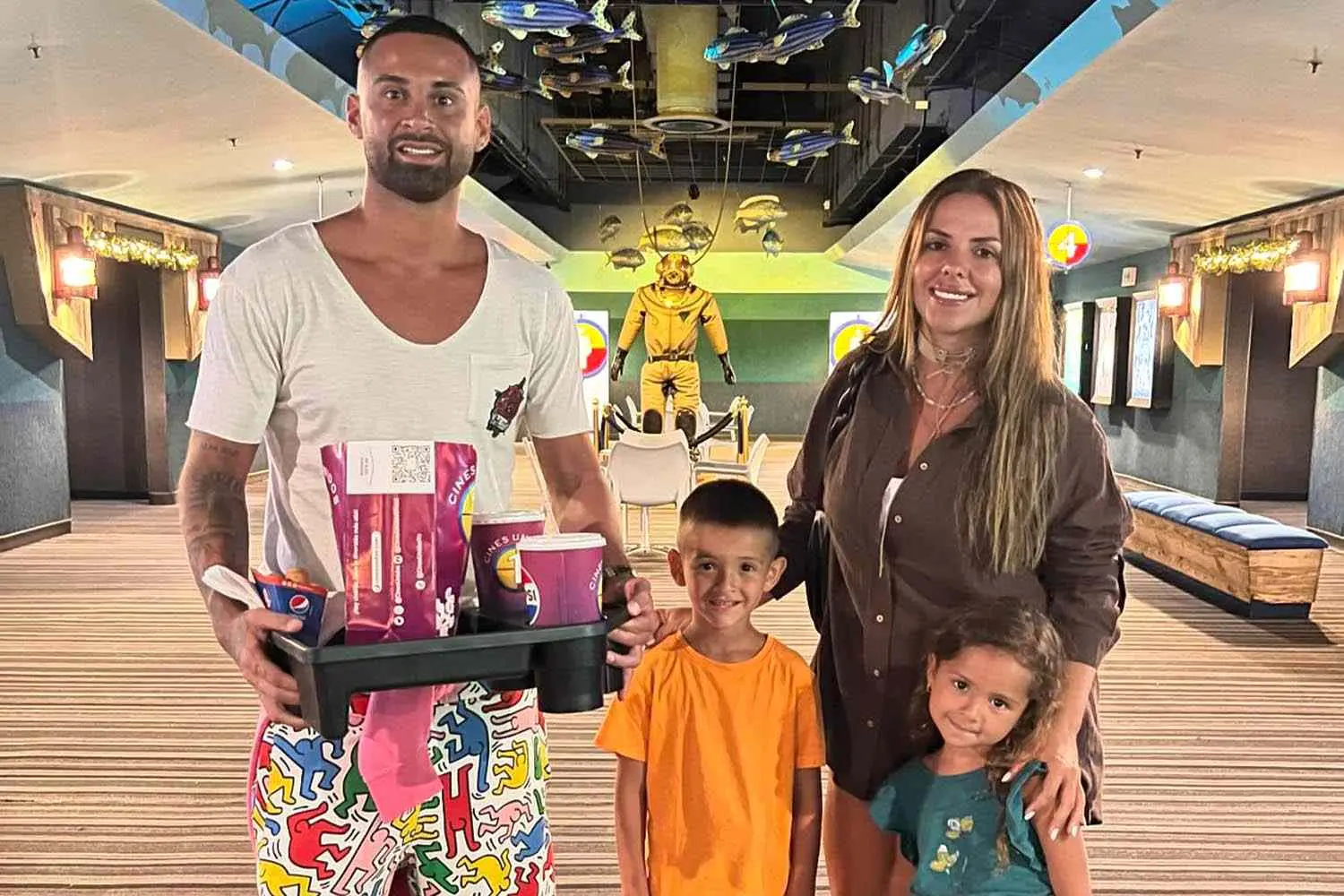
The cruelty of the timing adds a layer of bitter irony to the Trejo family’s fate. At the exact moment the seismic waves tore through the coast, Lucas Trejo was in Caracas, fully immersed in professional duties as he prepared for an upcoming fixture with his club, Sport Marítimo de La Guaira. His wife and children remained at the family’s residence in Playa Grande, an area celebrated for its coastal views but tragically vulnerable to the compounding forces of the tremor. When communication networks abruptly collapsed following the initial shockwaves, a terrifying silence enveloped the region.
Desperate to ascertain the safety of his family, Trejo rushed back to La Guaira, only to be confronted by a scene of total devastation. The multi-story building that housed his life, his memories, and his family had experienced a total structural failure, pancaking into a compact mound of concrete and twisted metal.
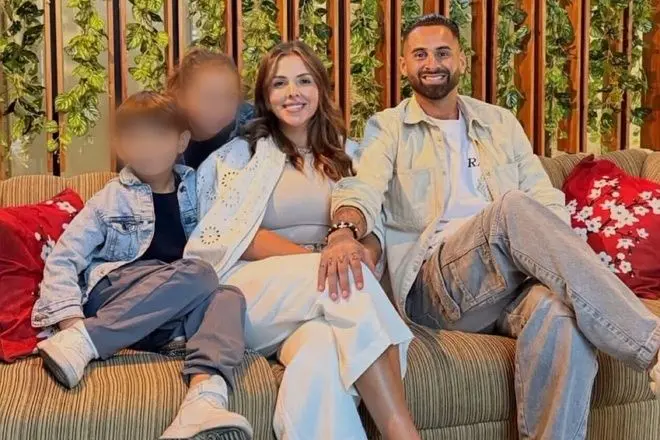
Faced with a landscape of complete destruction and a severely overwhelmed emergency response system, Trejo turned to global communication networks, utilizing social media in a frantic bid to mobilize anyone who could offer assistance or information. His digital plea, typed in the raw vocabulary of a father and husband stranded on the precipice of despair, quickly circulated across the international community. He informed the public that their building in Playa Grande had completely collapsed, stating that he had no knowledge of his family’s whereabouts, and implored people to pray and share any information if anyone had managed to see them.
The urgency of his message struck a deep chord, transforming a private nightmare into a collective mission as teammates, local fans, and civilian volunteers descended upon the site to assist specialized rescue teams.
The collective response to Trejo’s plight illustrated the unique capacity of the sporting community to unify during moments of acute crisis. Sport Marítimo de La Guaira immediately suspended all athletic operations, pivoting their organizational resources toward supporting the search and rescue efforts at the apartment complex. Recognizing the gravity of the situation, Trejo’s father and brother boarded emergency flights from Argentina to Venezuela, determined to stand shoulder-to-shoulder with him as heavy machinery and canine units systematically picked through the debris.
For more than 72 consecutive hours, the family endured a grueling vigil, clinging to the fading hope that an air pocket or a miracle of structural physics might have preserved the lives of Yanina, Aarón, and Ainhoa. However, as the golden hour for rescue operations passed, the grim mathematical probability of survival under such massive structural weight asserted itself.
The definitive confirmation of the tragedy was delivered to the public not through a detached bureaucratic press release, but through the emotional words of Edson Tortolero, Trejo’s teammate who had personally embedded himself within the volunteer rescue teams working at the site. Expressing profound sorrow, Tortolero confirmed on his personal platform that the bodies of Lucas Trejo’s family members had been recovered. He extended his deepest gratitude to the rescue workers, volunteers, and everyone who had labored without rest over those painful days.
This peer-to-peer confirmation underscored the profound internal bond shared by the players, who found themselves forced to transition from tactical colleagues to grief counselors and recovery assistants in a matter of hours.
In the wake of the formal identification of the victims, Sport Marítimo de La Guaira released an official institutional message, attempting to articulate the collective grief of an entire sporting organization. The club expressed its profound sorrow to Lucas Trejo over the devastating loss of his wife, Yanina Maranella, and their children, Aarón and Ainhoa. They assured the defender that the entire coaching staff, his fellow players, and the global fan base stood unyieldingly by his side during this period of immense darkness.
The statement reflected a broader sentiment within South American football, where rivalries were instantly discarded as clubs from Argentina, Mexico, and Venezuela issued concurrent statements of solidarity, recognizing that the tragedy transcended the boundaries of a game.
The global scale of the disaster has prompted substantial humanitarian intervention from high-profile figures within the international football ecosystem. Notably, the wife of global football icon Lionel Messi leveraged her immense public platform to launch an international fundraising campaign, successfully advocating for over 4 million dollars in direct aid to support the broader victims of the Venezuelan earthquake. This massive mobilization of capital highlights a growing awareness of the responsibility elite athletes and their families feel toward utilizing their visibility to mitigate human suffering during large-scale catastrophes.
While these funds will provide essential medical care, temporary housing, and structural rebuilding for thousands of displaced citizens across La Guaira and Caracas, they serve as a poignant reminder that financial resources, no matter how vast, remain fundamentally incapable of repairing the emotional void left by the loss of a family.
Lucas Trejo’s professional journey serves as a testament to the itinerant, dedicated nature of the journeyman footballer. Born in the footballing hotbed of Córdoba, Argentina, the 38-year-old defender built a reputable career predicated on tactical intelligence, physical sacrifice, and an adaptability that allowed him to thrive in various competitive environments across South America and Mexico.
His move to Sport Marítimo de La Guaira earlier this year was intended to be another chapter in a respected career, a stable environment where he could contribute his veteran experience to a growing club while providing a comfortable life for his young family along the Venezuelan coast. The sudden, violent erasure of that future forces a painful re-evaluation of what sports coverage often categorizes as a “tragedy” on the field—a missed penalty, a relegation, or a career-threatening knee injury are instantly exposed as trivial when measured against the absolute finality of natural destruction.
As the dust settles over the ruins of Playa Grande and Venezuela begins the lengthy, painful process of national reconstruction, the focus on Lucas Trejo shifts from immediate shock to the long-term reality of trauma processing. The football community faces the challenge of ensuring that the solidarity displayed during the highly publicized hours of the search operation does not evaporate as the news cycle moves forward.
For a athlete who has spent his entire life relying on physical routine and mental discipline to overcome challenges, navigating a reality completely devoid of the family that anchored his career will require an entirely different architecture of support, necessitating sustained psychological care and community presence long after the rescue vehicles have departed the state of La Guaira.
Given the immense tragedy experienced by Lucas Trejo and the broader Venezuelan sporting community, how can international sports governing bodies and clubs establish more robust, permanent emergency support systems to protect the physical security and long-term mental well-being of foreign athletes and their families when sudden natural catastrophes destabilize their host countries?