
JUST 15 minutes ago, the MMA world was shaken by a statement that immediately reverberated far beyond the UFC octagon.
Islam Makhachev, one of the most dominant fighters of his generation and a reigning champion admired for his discipline and technical brilliance, publicly confirmed that he will not participate in any “Pride Night” events scheduled within the UFC calendar for the 2026 season. His reasoning was delivered without ambiguity.
According to Makhachev, sport should remain focused on competition, discipline, and performance, and should not be used as a platform for political messages or social movements. The comment, simple in wording yet powerful in implication, instantly ignited global debate.
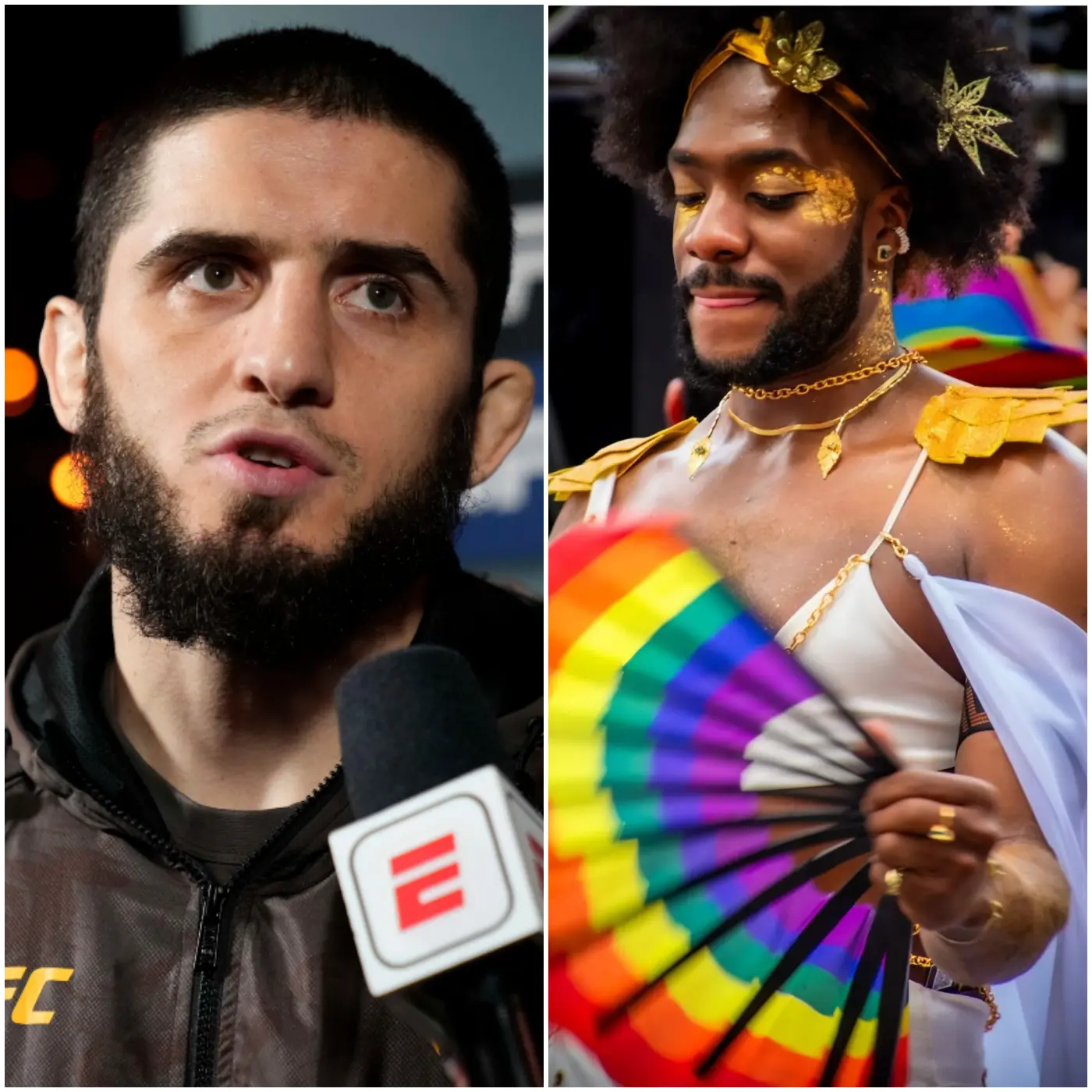
Makhachev’s position did not emerge from a moment of emotional impulse. Throughout his career, he has consistently portrayed himself as a fighter rooted in traditional sporting values, emphasizing preparation, respect for the craft, and results inside the cage.
For him, the octagon represents a space where athletic merit alone determines outcomes. In his view, introducing broader ideological or political themes risks distracting both fighters and fans from what makes combat sports compelling: the purity of competition, the mastery of technique, and the test of will between two athletes.
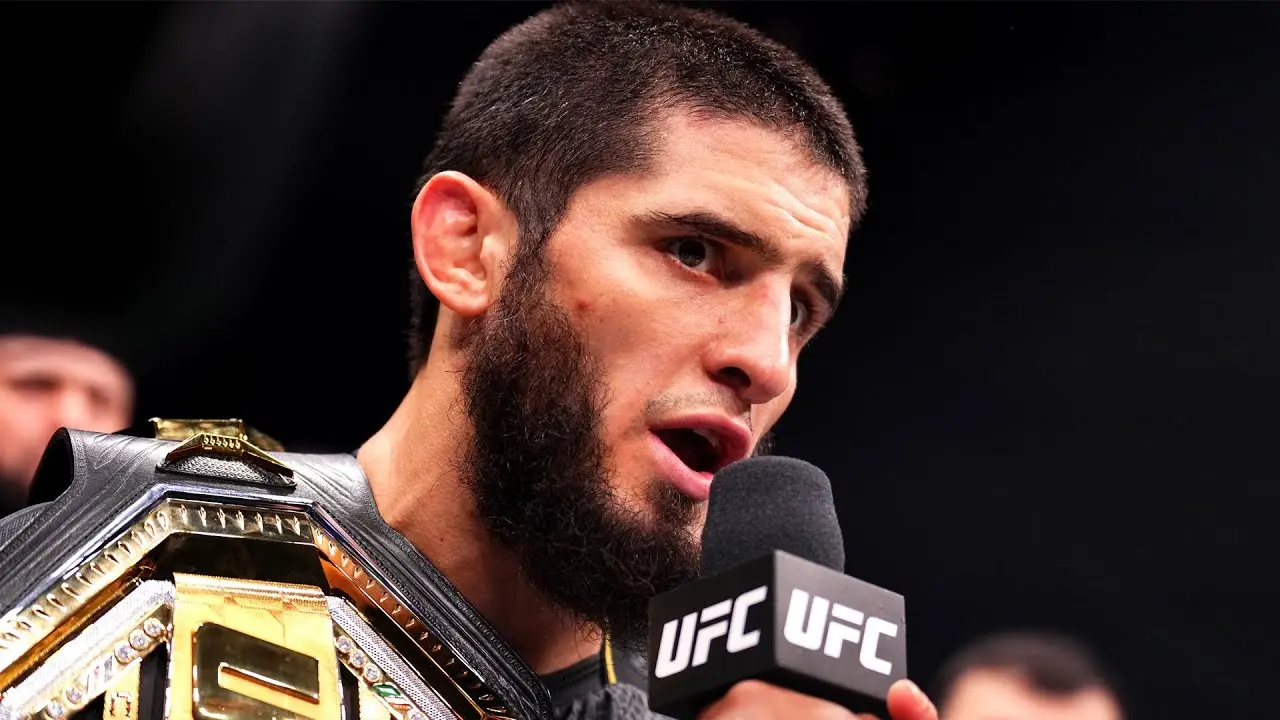
Supporters of Makhachev were quick to defend his stance. Many fans echoed his belief that sports should function as neutral ground, free from ideological conflicts that often dominate public discourse.
They argue that athletes train their entire lives to perform at the highest level, and events surrounding competition should honor that dedication rather than shift focus toward symbolic gestures.
For this group, Makhachev’s words were not an attack on any community, but rather a call to preserve the traditional identity of professional sports.
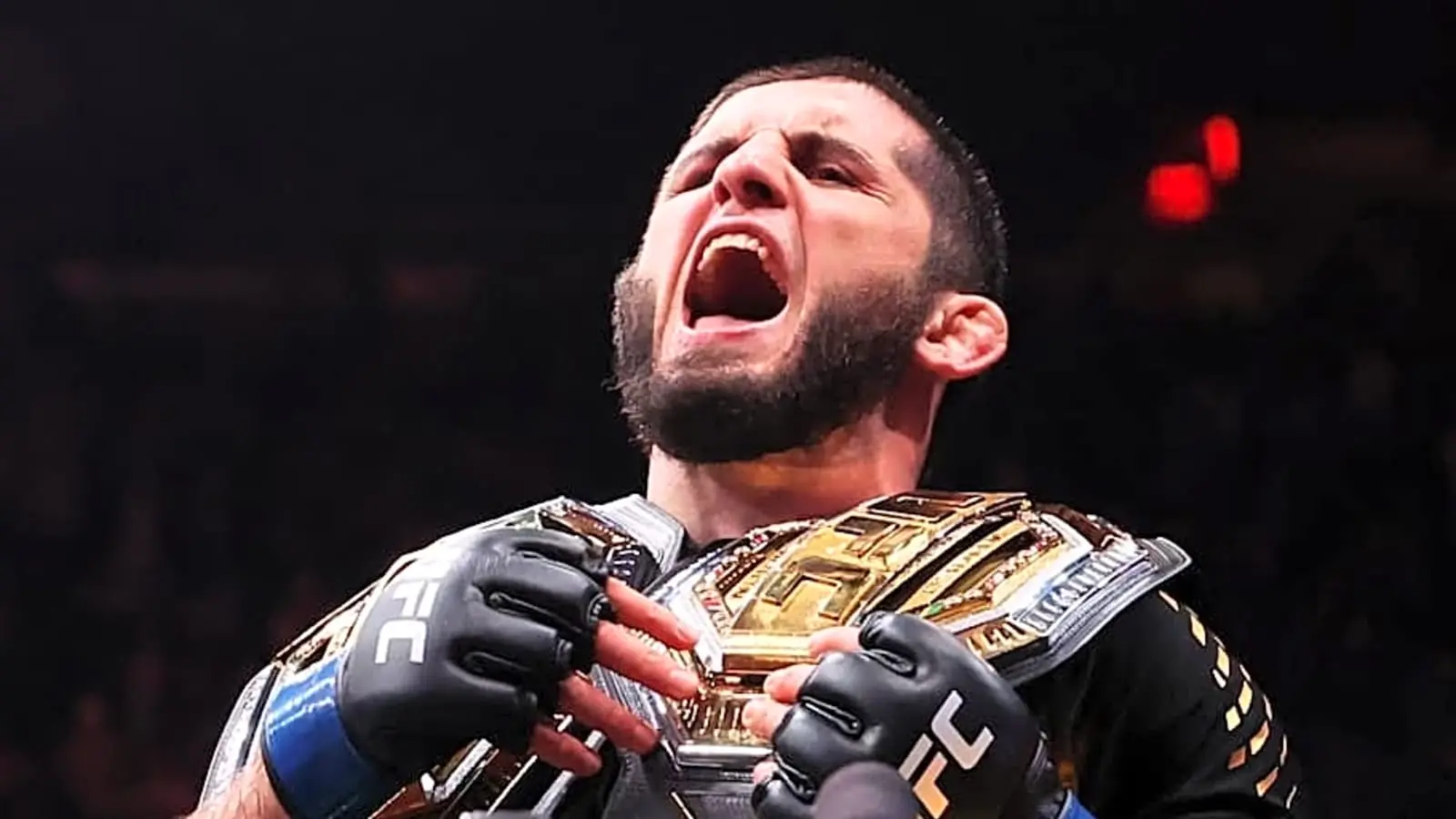
At the same time, critics interpreted his remarks very differently. Some accused the UFC champion of being dismissive toward initiatives aimed at inclusion and representation.
They argued that major sports organizations do not exist in a vacuum and that athletes, whether they like it or not, are influential public figures whose actions and statements carry social weight.
According to this perspective, events such as Pride Night are designed not to politicize sport, but to signal that the organization welcomes fans and participants from all backgrounds.
The UFC itself now finds itself navigating a delicate situation. Over the past decade, the promotion has grown into a global entertainment powerhouse, reaching audiences across continents with vastly different cultural, political, and social norms. Balancing those differences has never been simple.
On one hand, the organization markets itself as inclusive and progressive in certain respects. On the other, it has long defended fighters’ rights to express personal beliefs, even when those beliefs generate controversy. Makhachev’s refusal places the UFC at the intersection of these competing priorities.
Historically, combat sports have often been framed as apolitical, emphasizing honor, respect, and individual achievement. Yet as the sport’s popularity has grown, so too has its entanglement with broader cultural debates. Fighters are no longer just athletes; they are brands, influencers, and role models with millions of followers.
Every statement they make is amplified, dissected, and judged in real time. In that environment, neutrality itself can become controversial.
Makhachev’s career context also plays a role in how his words are interpreted. Raised in a deeply traditional environment and shaped by a rigorous martial arts culture, he has always projected an image of discipline and restraint.
Unlike some fighters who thrive on provocation and media theatrics, Makhachev has built his reputation almost entirely on performance. His dominance inside the cage has allowed him to speak from a position of authority, and his supporters argue that he has earned the right to define his own boundaries.
The reaction from fellow fighters has been mixed. Some have publicly supported Makhachev, emphasizing that no athlete should be compelled to participate in events that conflict with their personal beliefs. Others have suggested that opting out of such initiatives could unintentionally alienate segments of the fanbase.
While few have directly criticized him by name, the underlying tension within the MMA community is unmistakable.
Media coverage has further fueled the controversy. Headlines around the world framed the story in dramatically different ways, depending on editorial perspective. Some portrayed Makhachev as a defender of sporting purity, while others framed his remarks as a rejection of inclusivity.
Social media platforms quickly became battlegrounds, with hashtags supporting and condemning the fighter trending simultaneously. In many cases, the nuance of his original statement was lost amid emotionally charged interpretations.
From a broader perspective, this incident reflects a growing challenge faced by international sports organizations. As global audiences become more diverse, expectations surrounding representation and values also diverge. What is seen as a positive gesture in one cultural context may be viewed as unnecessary or even intrusive in another.
Athletes like Makhachev, who compete on the world stage, inevitably become focal points in these debates.
It is also worth noting that Makhachev did not call for the cancellation of Pride Night events, nor did he criticize those who choose to participate. His statement focused on his own decision and his belief about what sport should prioritize.
This distinction is central to understanding why the controversy is so complex. The debate is not simply about one event, but about autonomy, identity, and the evolving role of athletes in society.
For the UFC, the long-term implications remain unclear. The organization has weathered controversies before, often relying on its policy of allowing fighters to express themselves freely while maintaining its own branding initiatives. Whether Makhachev’s stance will influence future event planning or sponsorship decisions is uncertain.
What is clear, however, is that his words have reopened a conversation that extends far beyond MMA.
Fans, too, are divided. Some insist they tune in purely for the fights and resent any perceived shift toward social messaging. Others argue that sports have always reflected societal values and that embracing diversity does not diminish athletic competition.
This clash of expectations highlights a fundamental question: can sport remain a unifying force in an increasingly polarized world, or is conflict inevitable when global platforms intersect with deeply held beliefs?
As the 2026 season approaches, attention will remain fixed on how the UFC and its athletes navigate these tensions. Makhachev, for his part, appears unfazed by the backlash.
Known for his calm demeanor and unwavering focus, he continues to prepare for competition with the same intensity that brought him to the top. For him, the octagon remains the ultimate proving ground, a place where actions speak louder than words.
Ultimately, this controversy underscores a broader reality of modern sports. Athletes are no longer judged solely by wins and losses, but also by the values they represent, intentionally or not.
Islam Makhachev’s decision has forced fans, organizations, and commentators alike to confront uncomfortable questions about where sport ends and society begins. Whether one agrees with his stance or not, there is no denying its impact.
In a world where every statement is magnified, Makhachev’s words have become part of a much larger conversation—one that will likely continue long after the next fight bell rings.