
The aftermath of the highly tense match between England and Mexico has erupted into controversy after Raúl Jiménez broke down during the post-match press conference, accusing sections of the crowd of abusive behavior that he said deeply affected his mental state. The incident has sparked widespread debate across the football world, shifting attention away from the result and toward fan conduct and emotional pressure in elite competition.
According to Jiménez, the atmosphere inside the stadium was hostile from the early stages of the match, with chants escalating in intensity as the game progressed. He described the experience as emotionally overwhelming, stating that certain moments during the game made it extremely difficult to concentrate fully on his performance. His emotional reaction during the press conference stunned journalists present, many of whom described the scene as one of the most intense post-match moments of the season.
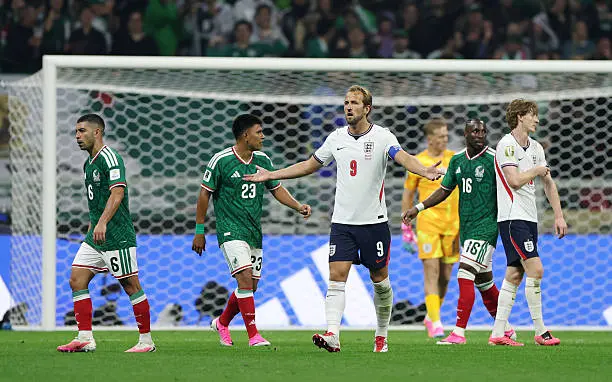
The match itself, in which England national football team secured a narrow victory, was already under scrutiny for its physical intensity and tactical aggression. However, Jiménez’s comments shifted the narrative dramatically, introducing a deeper discussion about player welfare, mental health, and the psychological impact of crowd behavior in high-pressure international fixtures.
In a further escalation of his remarks, Jiménez also criticized England’s playing style, describing it as excessively physical and “dirty” in key moments of the match. He claimed that multiple challenges went beyond acceptable competitive limits, suggesting that certain tactical approaches were used deliberately to disrupt Mexico’s rhythm and momentum throughout the game.
The “secret” element emerging from inside the stadium suggests that match officials were already aware of rising tensions in the stands during the second half. Security staff reportedly monitored sections of the crowd where chants were becoming increasingly targeted, although no formal intervention was made during the match itself. This detail has now become central to discussions about stadium safety protocols.
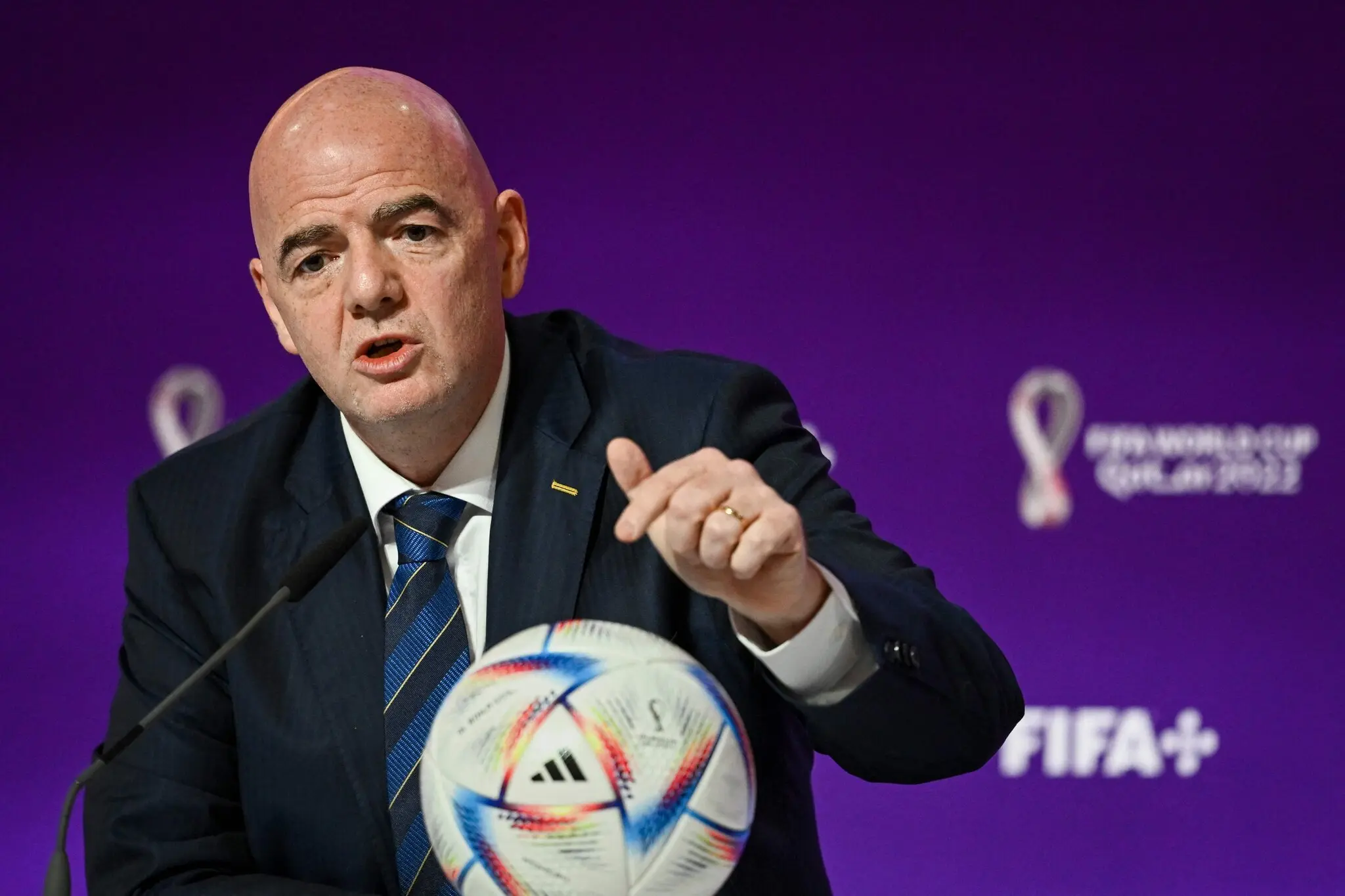
Shortly after Jiménez’s emotional press conference, FIFA President Gianni Infantino issued a brief but strongly worded ten-word response that immediately silenced the room. While the exact phrasing was concise, sources confirmed that it emphasized zero tolerance for discrimination, abusive chanting, and unsporting conduct at international matches, reinforcing FIFA’s commitment to protecting players.
The reaction from Infantino’s statement was immediate. Journalists present at the press conference reportedly fell silent as the message was delivered, with many interpreting it as a direct acknowledgment that the governing body would review the incident in detail. The brevity of the statement only amplified its impact, leaving room for interpretation but signaling seriousness at the highest level.
Inside the Mexico camp, sources suggest that the emotional toll of the match was significant. Several players reportedly expressed concern about the environment they faced, with Jiménez being the most vocal. Team officials are believed to have documented the incidents for submission to FIFA, including references to specific moments in the match where crowd behavior intensified.
The “hidden detail” now being examined by investigators involves the timing and coordination of certain chants, which appear to have coincided with key attacking phases. Analysts reviewing broadcast audio suggest that the escalation was not random, but rather concentrated during moments when Mexico was building offensive pressure, potentially affecting player concentration.
From England’s side, officials have strongly rejected any implication of intentional misconduct either on or off the pitch. Representatives of England national football team emphasized that they do not condone abusive chanting and support full investigation into any unacceptable behavior from the stands. However, they also defended the team’s competitive style as within the rules of the game.
Football analysts have noted that the incident highlights a growing tension in modern football between emotional crowd environments and player mental health. While passionate support is a defining feature of the sport, incidents like this raise questions about where the line should be drawn and how governing bodies can enforce stricter standards without diminishing atmosphere.
Jiménez’s emotional breakdown during the press conference has been widely shared across social media, sparking both support and criticism. Many fans have expressed sympathy, emphasizing the psychological strain players face at elite level, while others argue that competitive environments inherently involve pressure that must be managed by professionals.

A key internal discussion now taking place within FIFA reportedly concerns whether additional monitoring systems should be introduced to track crowd behavior in real time. This could include enhanced audio surveillance, stricter stadium penalties, and faster intervention protocols when abusive chants are detected during matches.
The response from Gianni Infantino is being interpreted as a signal that disciplinary review processes may be activated. While no official sanctions have been announced, the governing body is expected to analyze match reports, audio evidence, and referee notes before determining whether further action is required.
As the controversy continues to grow, the focus has shifted from the result of the match to the broader implications for football culture. The emotional reaction of Raúl Jiménez has opened a wider debate about respect, mental resilience, and the responsibilities of fans, officials, and governing bodies in maintaining the integrity of the sport.
Ultimately, this incident may become a defining case in discussions about player protection in modern football. While the result on the pitch stands, the emotional aftermath has raised deeper questions that extend far beyond the final whistle, ensuring that this match will be remembered not only for its scoreline but for the controversy it ignited.